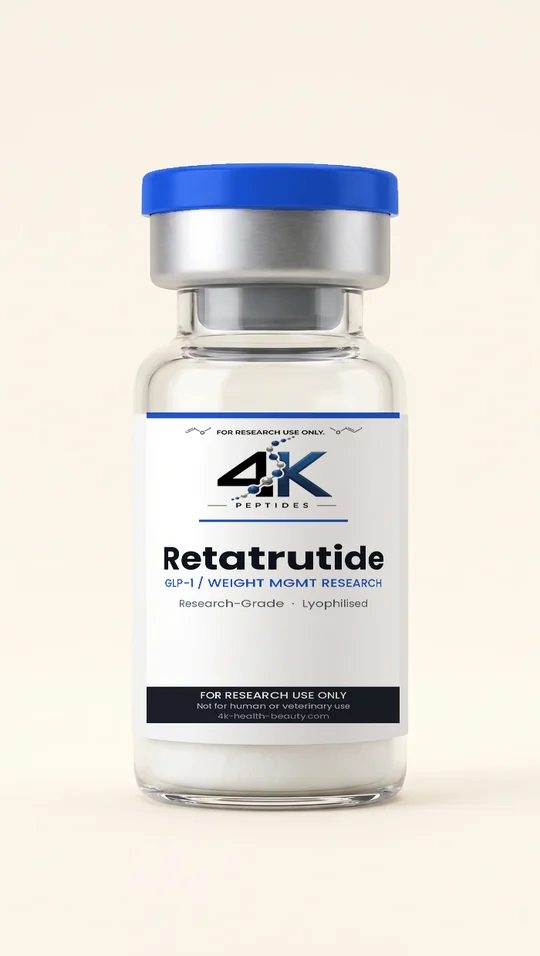
Retatrutide
Metabolic & incretin research · 8 sizes
An investigational triple receptor agonist (GIP, GLP-1 and glucagon) with published Phase 2 human data. Not approved anywhere.
฿2,500from · per vial
In stock
Every compound in the catalogue, priced in your currency and linked to a cautions-first research profile — plus a Research Centre, side-by-side comparisons and a transparent calculator.
Fitness, recovery, metabolic, longevity and more — mapped to compounds with honest evidence notes.
What peptides are, evidence levels, reading studies, quality and testing.
Evidence level, research stage, sizes, price and stock for up to three compounds.
Terminology, evidence, quality and ordering — answered from 4K’s own reference pages.
Orders ship from Thailand. Postage is quoted after you send your request.
An investigational triple receptor agonist (GIP, GLP-1 and glucagon) with published Phase 2 human data. Not approved anywhere.
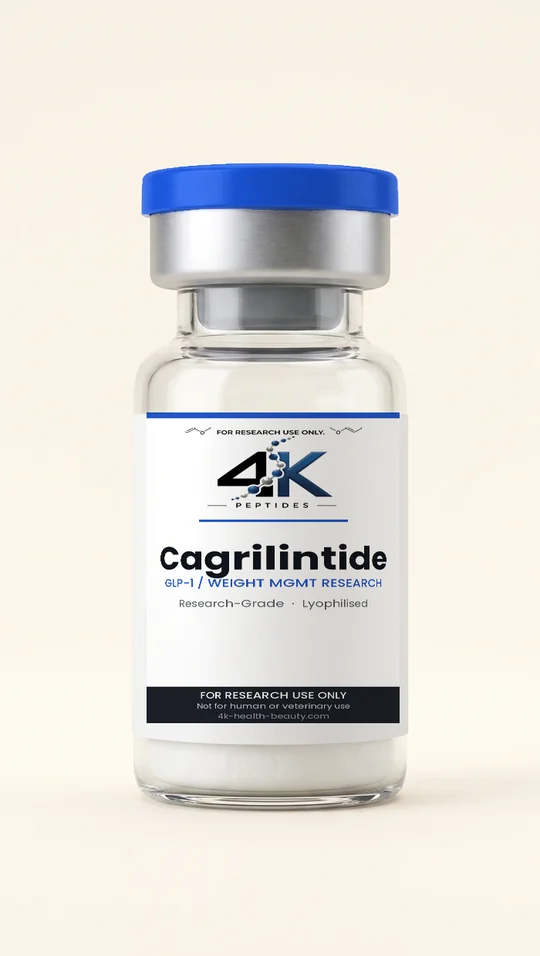
A long-acting amylin analogue investigated for appetite regulation, often studied alongside GLP-1 agonists. Investigational.
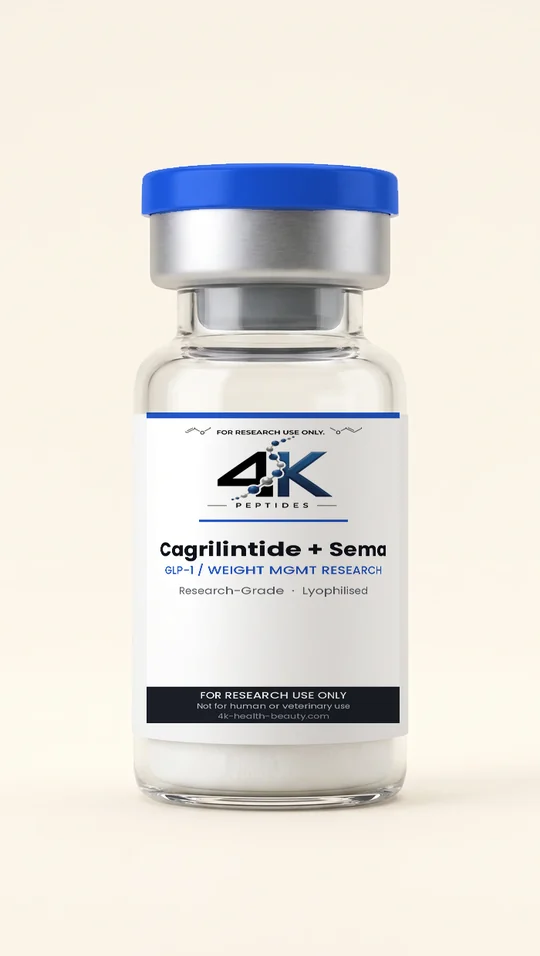
A combination of the amylin analogue cagrilintide with semaglutide, studied as a dual approach to appetite and glucose. Investigational combination.
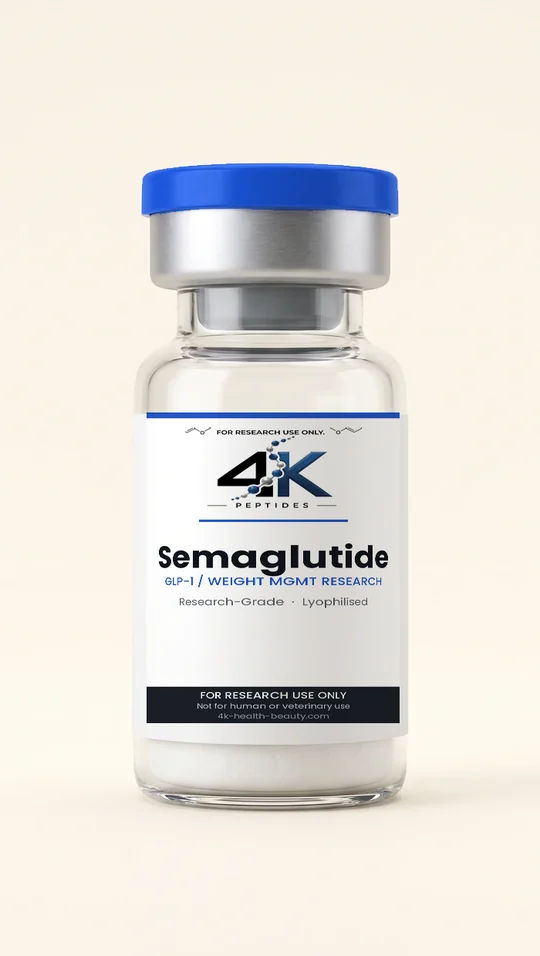
A GLP-1 receptor agonist. The same molecule is an approved prescription medicine for type-2 diabetes and weight management, but pharmacy versions are prescribed, titrated and monitored by clinicians.
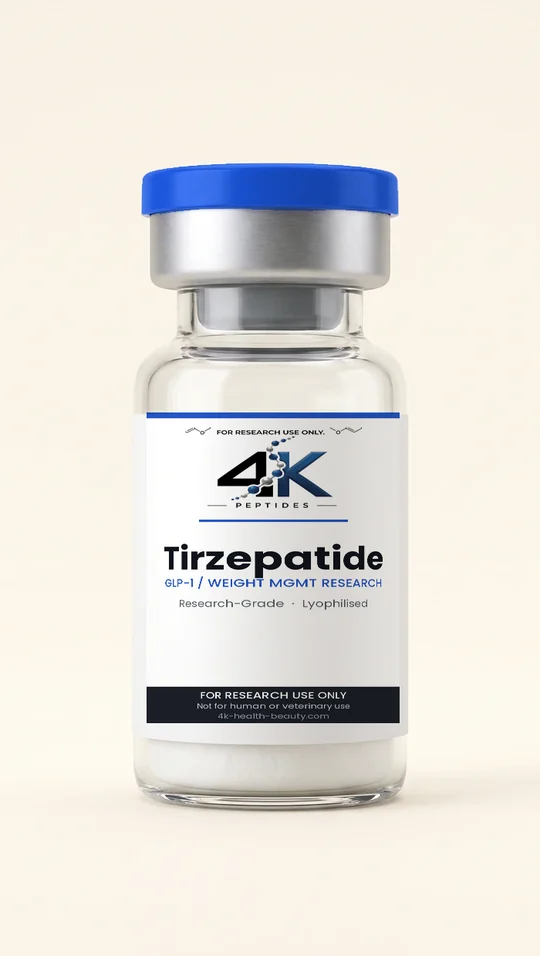
A dual GIP/GLP-1 receptor agonist. Licensed as a prescription medicine for diabetes and weight management in some countries; research-grade supply is not that regulated product.
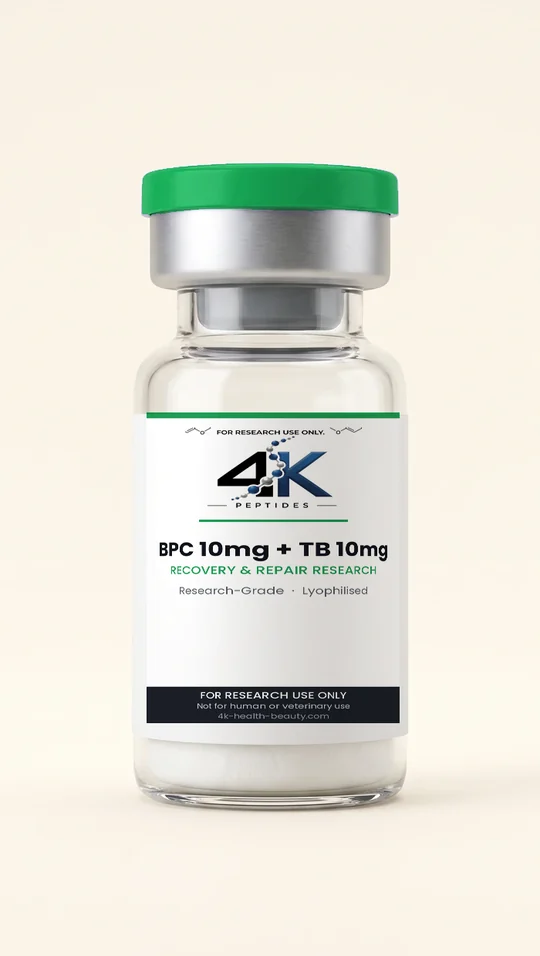
A higher-strength blend of BPC-157 and TB-500. Evidence for each component is largely preclinical.
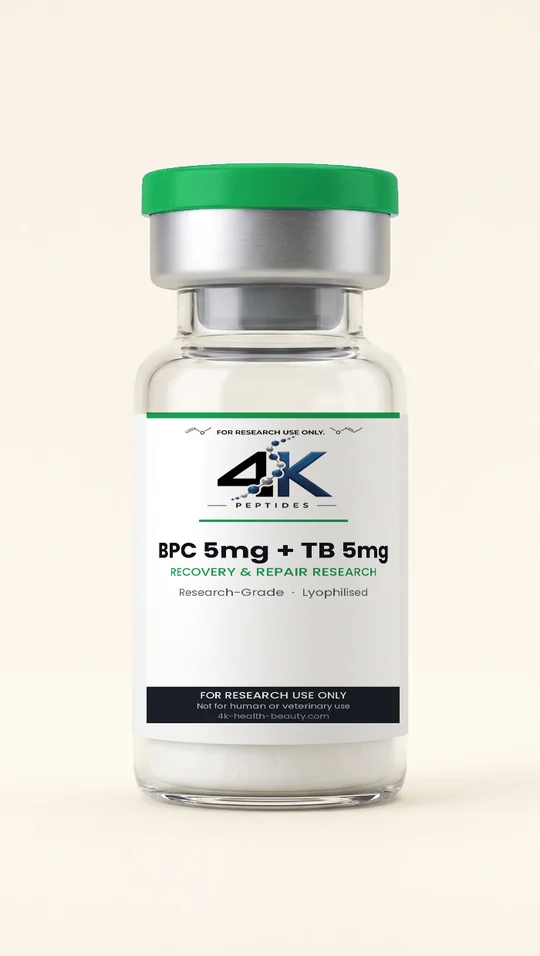
A blend of BPC-157 and TB-500, two recovery-research peptides combined in one vial. Evidence for each component is largely preclinical.
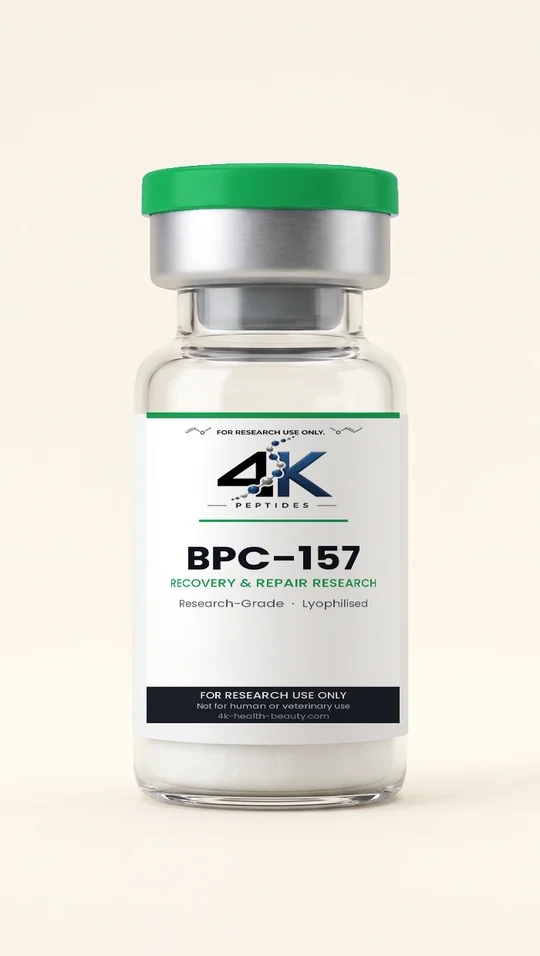
A synthetic 15-amino-acid sequence derived from a protein found in gastric juice. Almost all published data is preclinical.
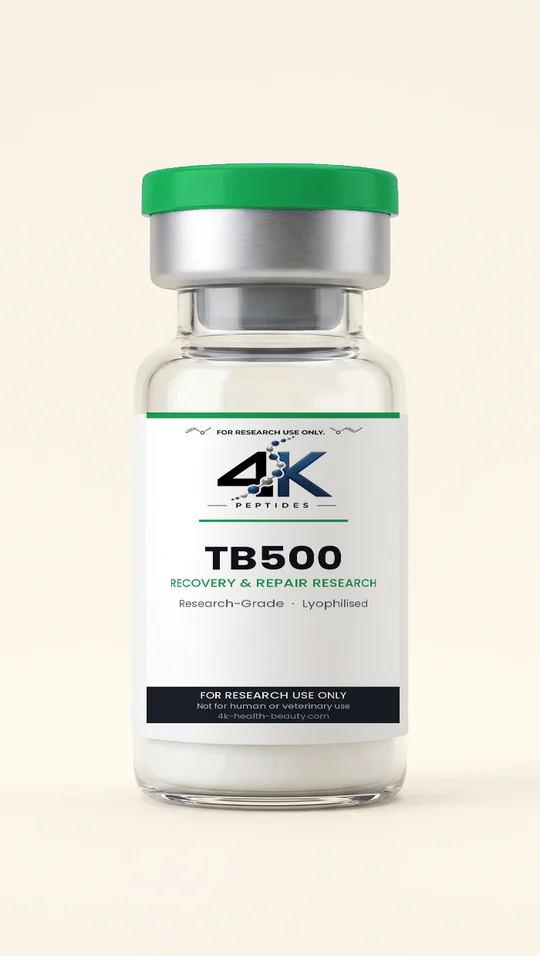
A synthetic fragment of thymosin beta-4, studied in animal models of tissue repair. Not identical to the full-length protein used in clinical trials.
A short peptide (cibinetide) derived from erythropoietin, studied for neuropathic and inflammatory conditions in early human trials.
A tripeptide fragment of alpha-MSH studied for anti-inflammatory activity, largely in animal and cell models.
A human antimicrobial peptide (cathelicidin fragment) studied for antimicrobial and wound-healing activity, mostly in the lab.
A cosmetic-oriented blend of TB-500, BPC-157 and GHK-Cu marketed for skin and recovery. Component evidence is preclinical (or, for GHK-Cu, topical/cosmetic).
A four-way blend of KPV, BPC-157, TB-500 and a copper peptide, marketed for recovery and skin. Component evidence is largely preclinical.
A proprietary blend supplied in solution. Composition and evidence are supplier-defined; treat as unverified.
A lipotropic-style injectable blend (typically methionine/inositol/choline-type ingredients with B-vitamins) marketed for fat metabolism. Marketing claims exceed the clinical evidence.
A proprietary blend marketed for sleep/relaxation, supplied in solution. Composition and effects are supplier-defined.
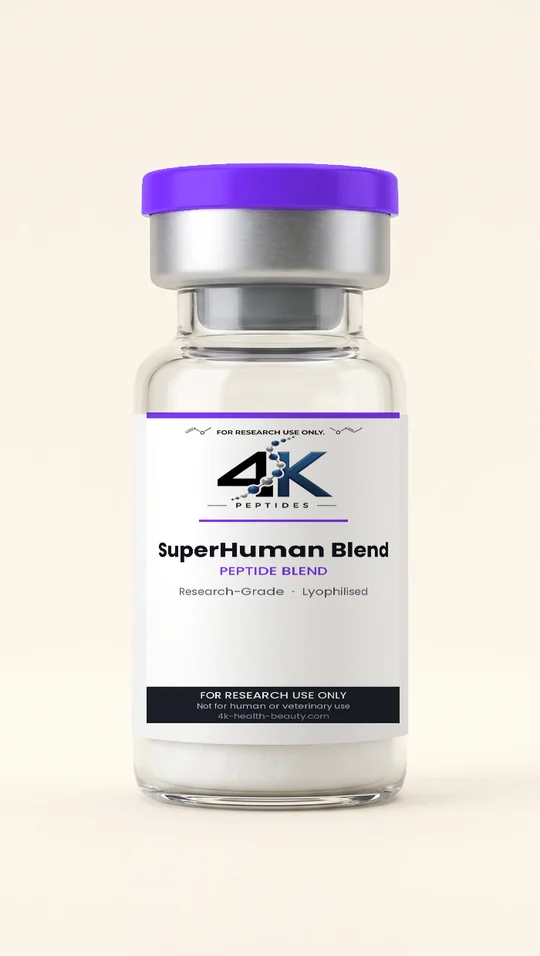
A proprietary multi-peptide blend in solution. Composition and any effects are supplier-defined and not independently established.
A copper-binding tripeptide related to GHK-Cu, studied mainly in early topical/cosmetic skin research.
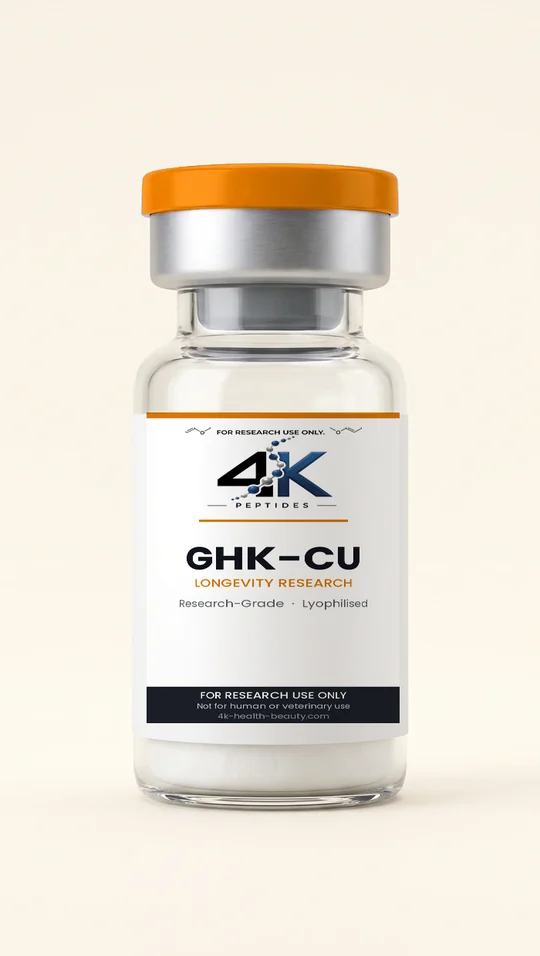
A naturally occurring copper-binding tripeptide. The best-evidenced compound in this catalogue, but that evidence is topical and cosmetic.
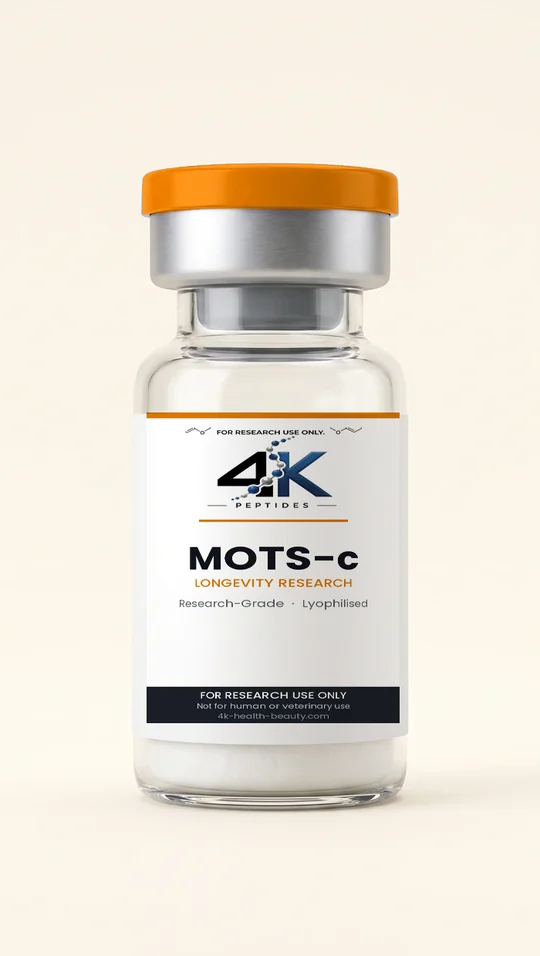
A mitochondrial-derived peptide studied for metabolism and exercise capacity, mostly in animal models.
A mitochondria-targeting peptide (elamipretide) studied in human trials for mitochondrial and cardiac conditions.
A porcine-brain-derived peptide preparation used in some countries for neurological conditions, with a mixed human evidence base.
A synthetic tetrapeptide (also spelled Epitalon) studied mainly by a single research group for telomerase and ageing markers. Independent replication is limited.
A senolytic peptide (FOXO4-DRI) studied for clearing senescent cells in animal models. Early-stage.
A well-known circadian hormone available as a supplement or medicine in many countries; here in an injectable research form.
A topical cosmetic peptide (an acetyl octapeptide) marketed as a 'Botox-like' expression-line ingredient. Evidence is cosmetic/topical.
A thymus-derived peptide preparation studied for immune modulation, largely in older Eastern-European literature.
A thymus-derived peptide (Zadaxin) approved in some countries as an immune modulator, with human trial data in hepatitis and as an adjuvant.
A coenzyme central to cellular energy metabolism, supplied for research into ageing and metabolism.
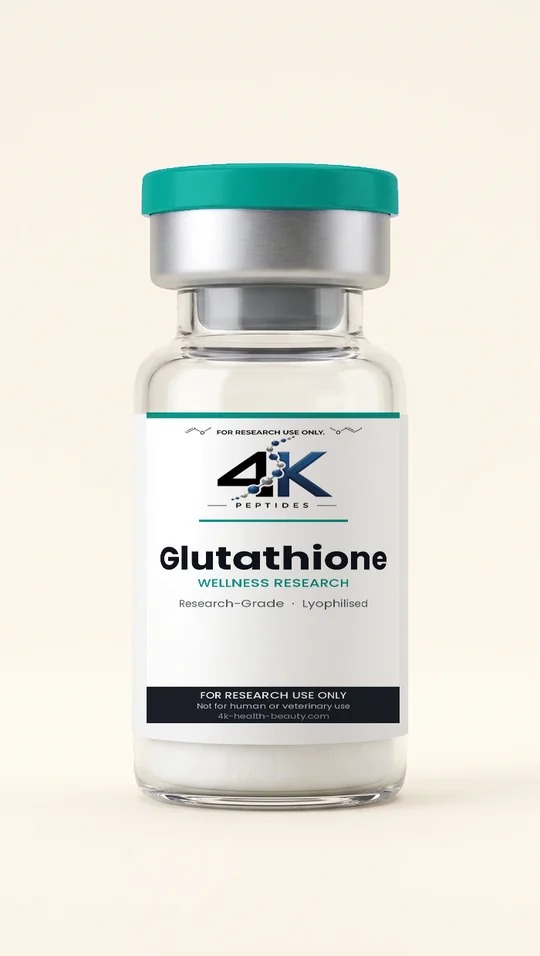
The body's principal intracellular antioxidant, supplied here in an injectable form and marketed for skin and detox.
A branded lipolytic injection marketed for localised fat dissolving. Independent clinical evidence is scant and regulatory status varies.
A lipotropic injectable blend (methionine/inositol/choline-type) marketed for fat metabolism. Claims exceed evidence.
A lipotropic blend with added vitamin B12, marketed for energy and fat metabolism. Claims exceed evidence.
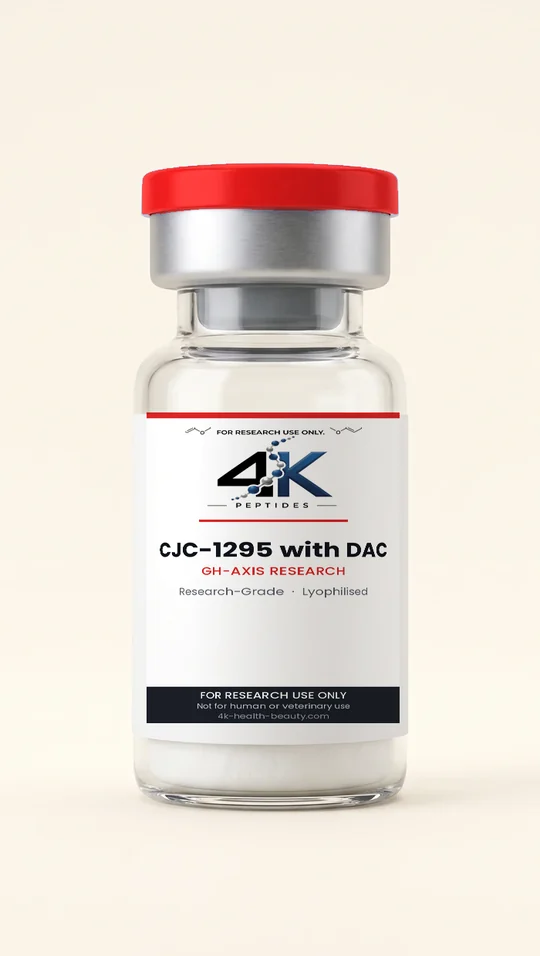
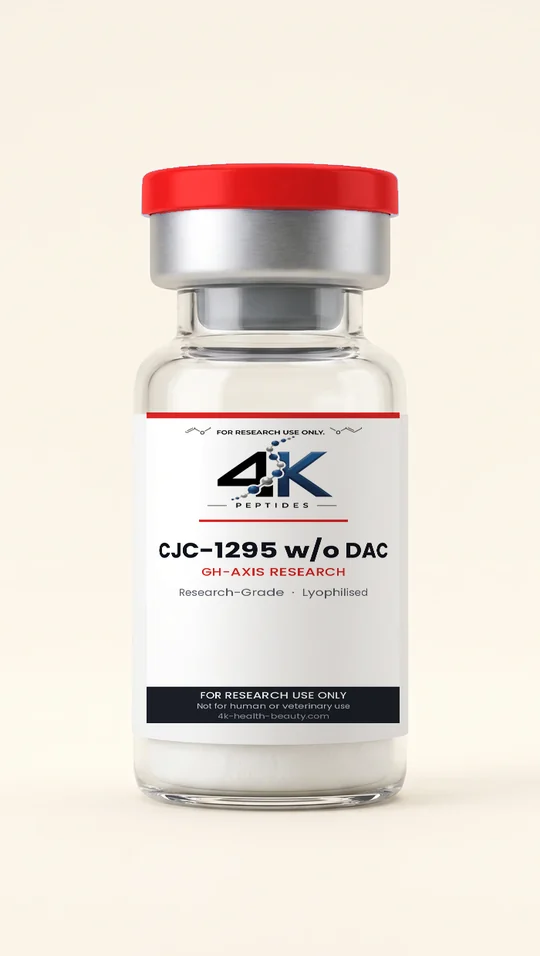
A CJC-1295 variant with drug-affinity complex (DAC) extending its half-life to days rather than minutes.
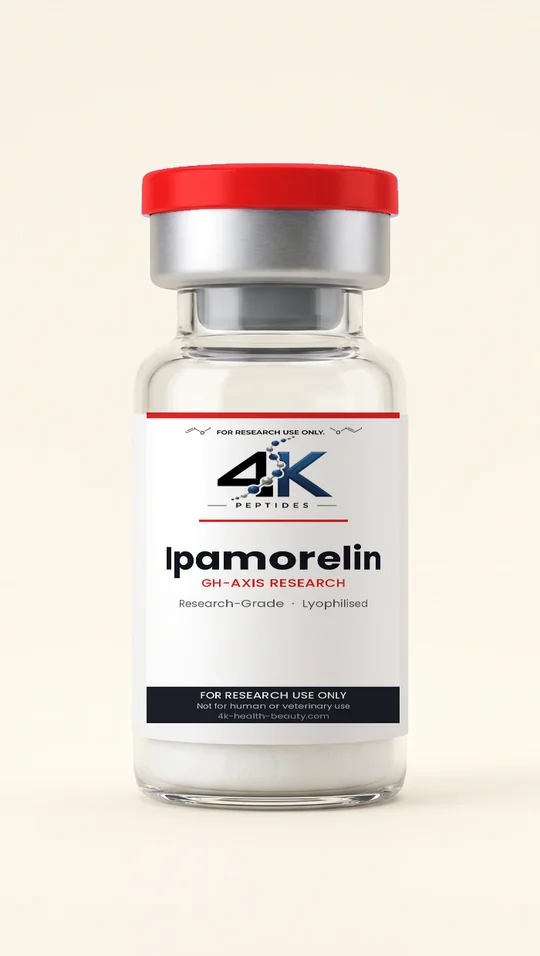
A selective ghrelin receptor agonist studied for its effect on pulsatile growth hormone release. Clinical development was discontinued.
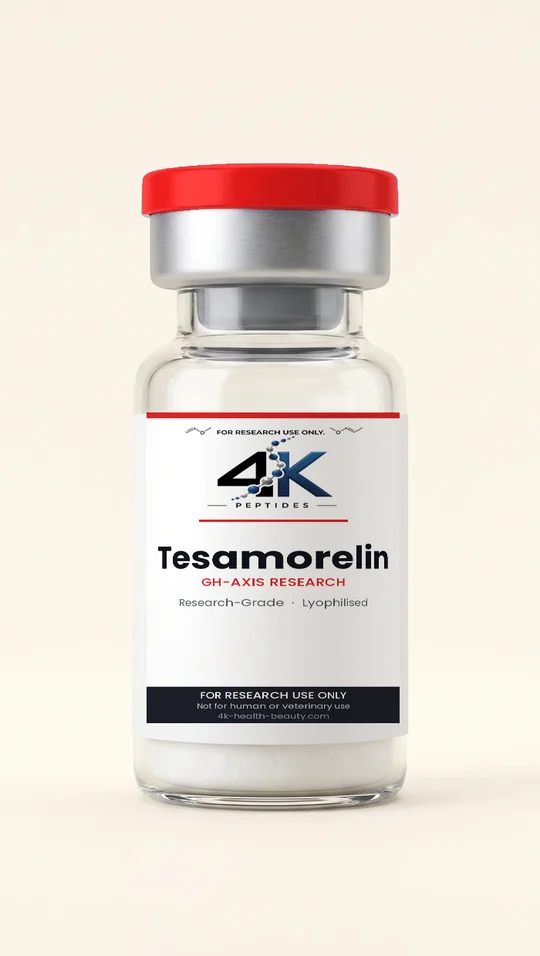
A GHRH analogue approved in some countries to reduce visceral fat in specific patient groups, with human trial data.
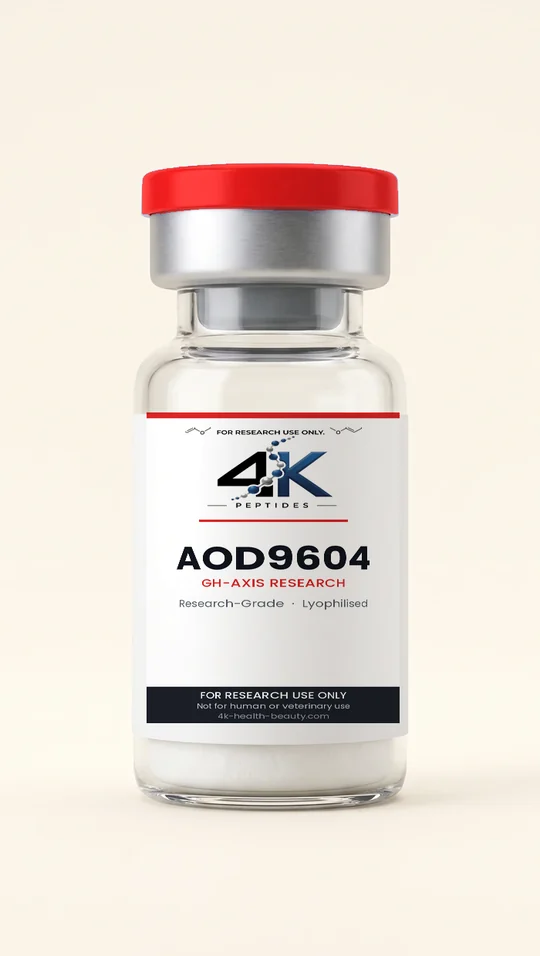
A modified GH fragment trialled for obesity that did not meet weight-loss endpoints; studied since for cartilage/other uses.
A modified growth hormone releasing hormone analogue with a short half-life, also sold as Mod GRF 1-29.
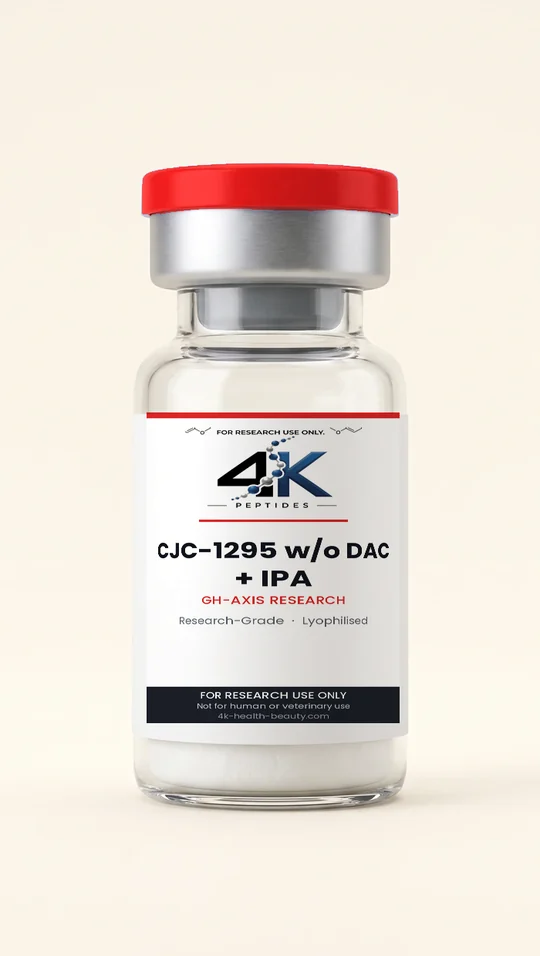
A pre-combined blend of CJC-1295 (no DAC) with ipamorelin, two commonly-paired GH-release research peptides.
A growth-hormone-releasing peptide that stimulates GH secretion; also raises appetite via ghrelin signalling.
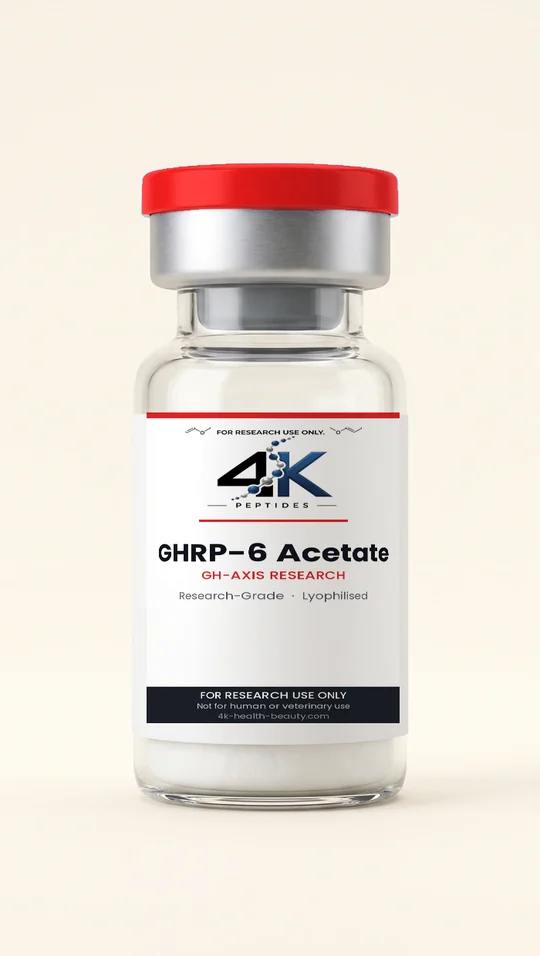
An earlier growth-hormone-releasing peptide with strong appetite-stimulating (ghrelin) activity.
Human chorionic gonadotropin, a licensed hormone medicine used in fertility and specific endocrine settings.
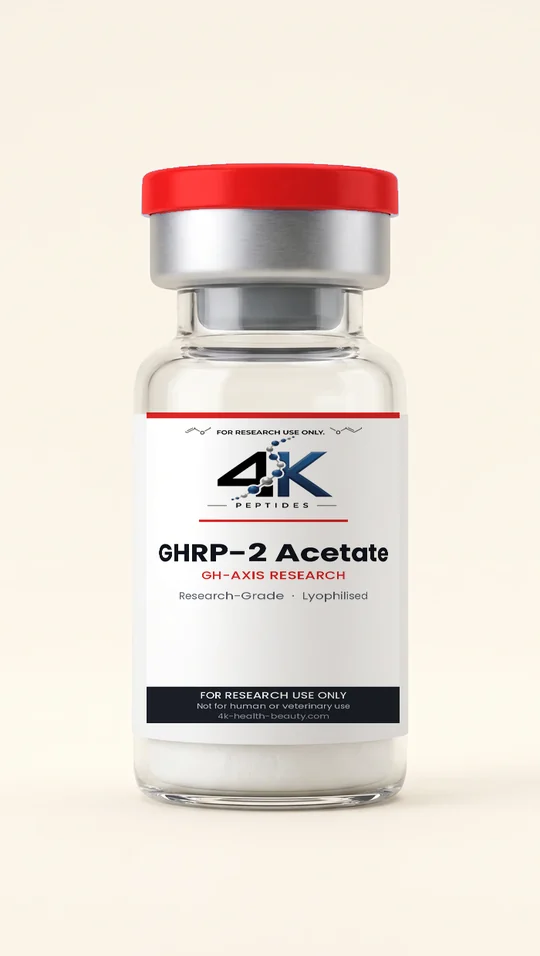
A potent growth-hormone-releasing peptide; potency comes with more hormonal side effects and tolerance.
Recombinant human growth hormone. A licensed prescription medicine for defined deficiencies; research-grade supply is not the monitored pharmacy product.
A fragment of growth hormone marketed for fat loss without the full GH effects. Human evidence is weak.
Human menopausal gonadotropin (FSH/LH activity), a licensed fertility medicine.
A truncated, short-acting IGF-1 variant studied for localised growth-factor effects. Potent growth factor.
A long-acting analogue of insulin-like growth factor 1. A potent growth factor with significant safety concerns.
A reproductive-axis signalling peptide studied in humans for its effect on gonadotropin release.
A pegylated mechano-growth-factor variant studied for muscle-repair signalling, largely preclinical.
A growth-hormone-releasing hormone analogue that was previously an approved diagnostic/therapeutic agent.
A synthetic anxiolytic peptide (tuftsin analogue) studied mainly in Russian literature for anxiety.
A synthetic peptide (ACTH fragment analogue) studied for cognition and neuroprotection, mainly in Russian literature.
A small-molecule NNMT inhibitor studied for fat metabolism in animal models. Not a peptide.
A proprietary nootropic peptide (marketed as a Semax-related analogue). Independent evidence is minimal; treat as unverified.
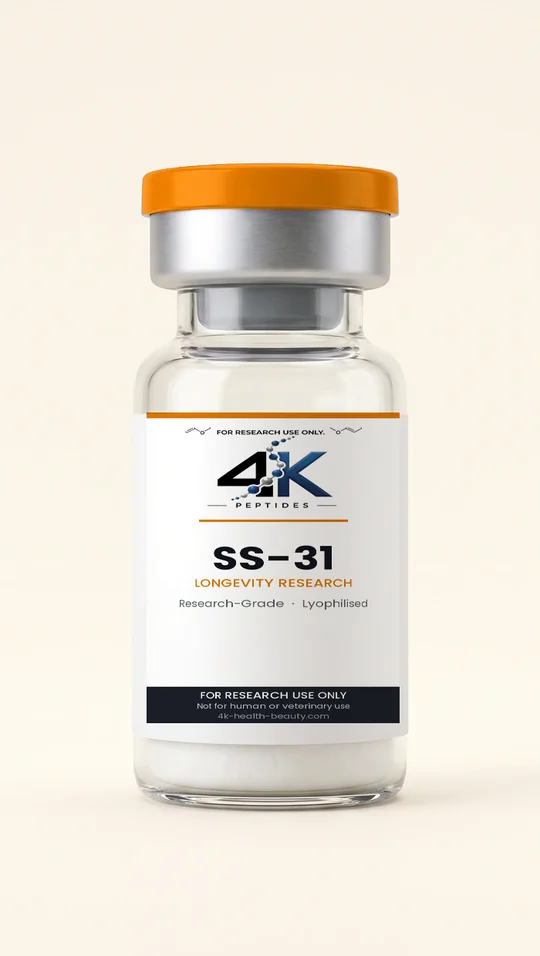
An AMPK activator studied for metabolism and endurance in animals; a known sport-doping agent.
Delta sleep-inducing peptide, studied inconsistently for sleep and stress since the 1970s.
An ERR agonist ('exercise mimetic') studied in animal metabolism models. Very early stage; not a peptide.
A supplier-named product with no established independent literature. Composition and effects are unverified.
Vasoactive intestinal peptide, a signalling hormone studied for inflammation and (intranasally) for CIRS-type protocols.
Bremelanotide, a melanocortin agonist for sexual desire; an approved prescription product exists in some countries.
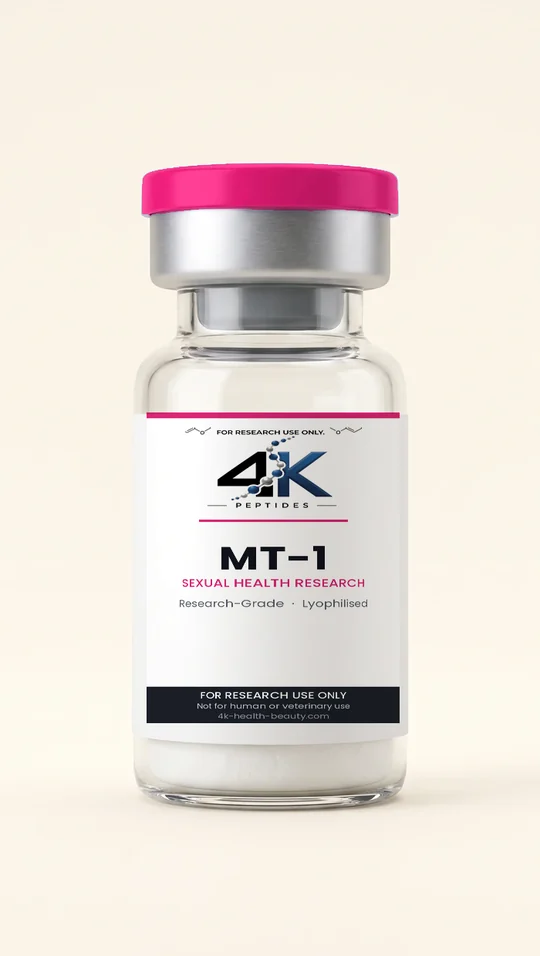
Melanotan 1 (afamelanotide-related), a melanocortin agonist for pigmentation; a related drug is approved for a rare condition.
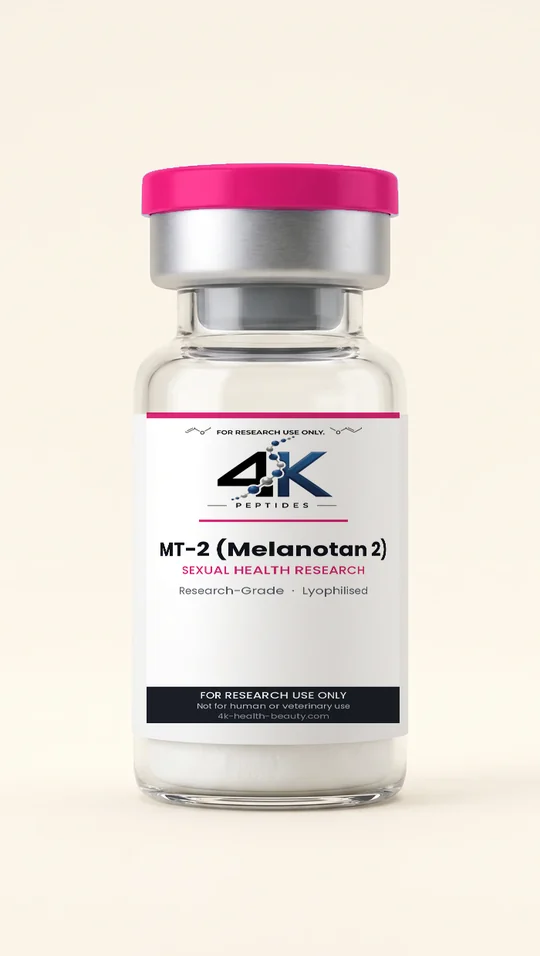
A melanocortin agonist that darkens skin and affects libido. Associated with nausea and changes to moles/pigmentation.
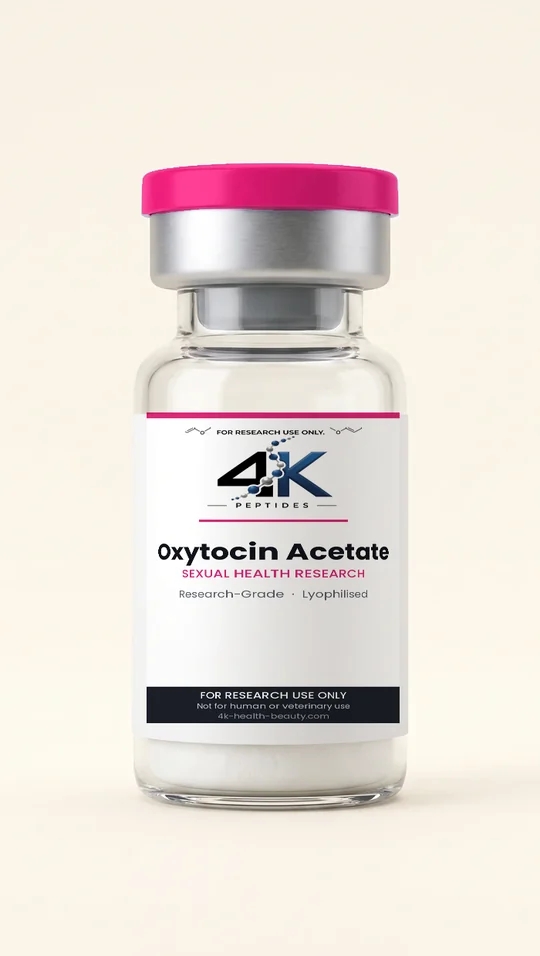
A signalling hormone with licensed obstetric uses; also researched for social/behavioural effects (often intranasally).
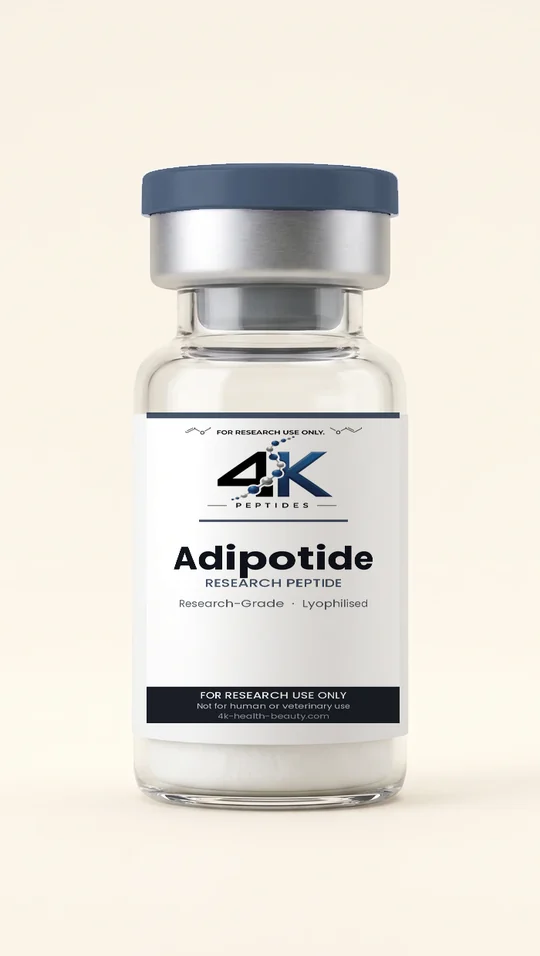
A pro-apoptotic peptide (FTPP) that targets fat-tissue blood supply; caused weight loss in primates but with kidney toxicity.
A potent opioid-receptor-agonist peptide many times stronger than morphine. Carries the serious risks of any potent opioid.
A supplier-named product without established independent literature. Composition and effects are unverified.
Water with a small amount of preservative (typically benzyl alcohol) allowing multi-draw use in reconstitution. A consumable, not an active compound.
A dilute acetic acid solution used to dissolve peptides that are poorly soluble in plain water. A solvent, not an active compound.
Sterile water used as a diluent/solvent in laboratory reconstitution. A consumable, not an active compound.
No compounds match. Try a different search, or ask 4K.
If your order does not arrive, arrives damaged, or is not what was described, we refund it in full or replace it — your choice. Raise it with us at orders@4k-health-beauty.com and we will sort it.
Each batch is intended to ship with a batch-specific certificate of analysis from the manufacturer’s testing laboratory, with the issuing lab named. See Quality & COAs.
No payment is taken online. You receive a 4K-XXXXXX reference; we confirm stock, quote postage, then send payment details.
Published exactly as our customers wrote them, trimmed for length only. We never write our own. Reviews here describe the supply — ordering, delivery, packing and the certificate. We can’t publish reviews describing use in humans.
Thanks to 4K Peptides. Such an amazing experience! Answering all my questions. Quality trusted products. And after sales care!! Highly recommend.
published review
How quickly it reached you, how it was packed, whether the lot number on the vial matched the certificate, and whether we answered when you messaged.
Please don’t include anything about using these compounds yourself — dosing, results or health. We can’t publish that, and we’d have to leave your review off.
We read every review before it goes up, so it may take a day or two to appear. If you didn’t attach a photo and want to, send it on WhatsApp and we’ll add it to your review.
Send a photo on WhatsAppEvery customer has a referral code. Pass it to anyone who’d find us useful — when they order with it, your next order is 20% off. No limit on how many people you refer.
Message us on WhatsApp and we’ll send it straight back. It looks like BEN20.
To anyone who might need a reliable supplier. There’s no limit and it doesn’t expire.
They give us your code with their first order. Your next order comes with 20% off.
Stock updates, new compound profiles and Research Centre articles. No spam — unsubscribe any time by replying.
Prefer instant updates? Join our Telegram · Free Storage & Handling Guide (PDF)